Pilot training for everyone

Learn radio work by doing it: read the context, build the call, read back the instruction, and repeat until the phraseology feels natural.

Tower call practice

Pilot

Melbourne Tower, Cessna seven three four alpha bravo, ten miles northwest of Melbourne, inbound full stop, north ramp, with information Bravo.

Tower

Skyhawk four alpha bravo, enter right downwind runway two seven right.

Readback

Enter right downwind runway two seven right, Skyhawk four alpha bravo.

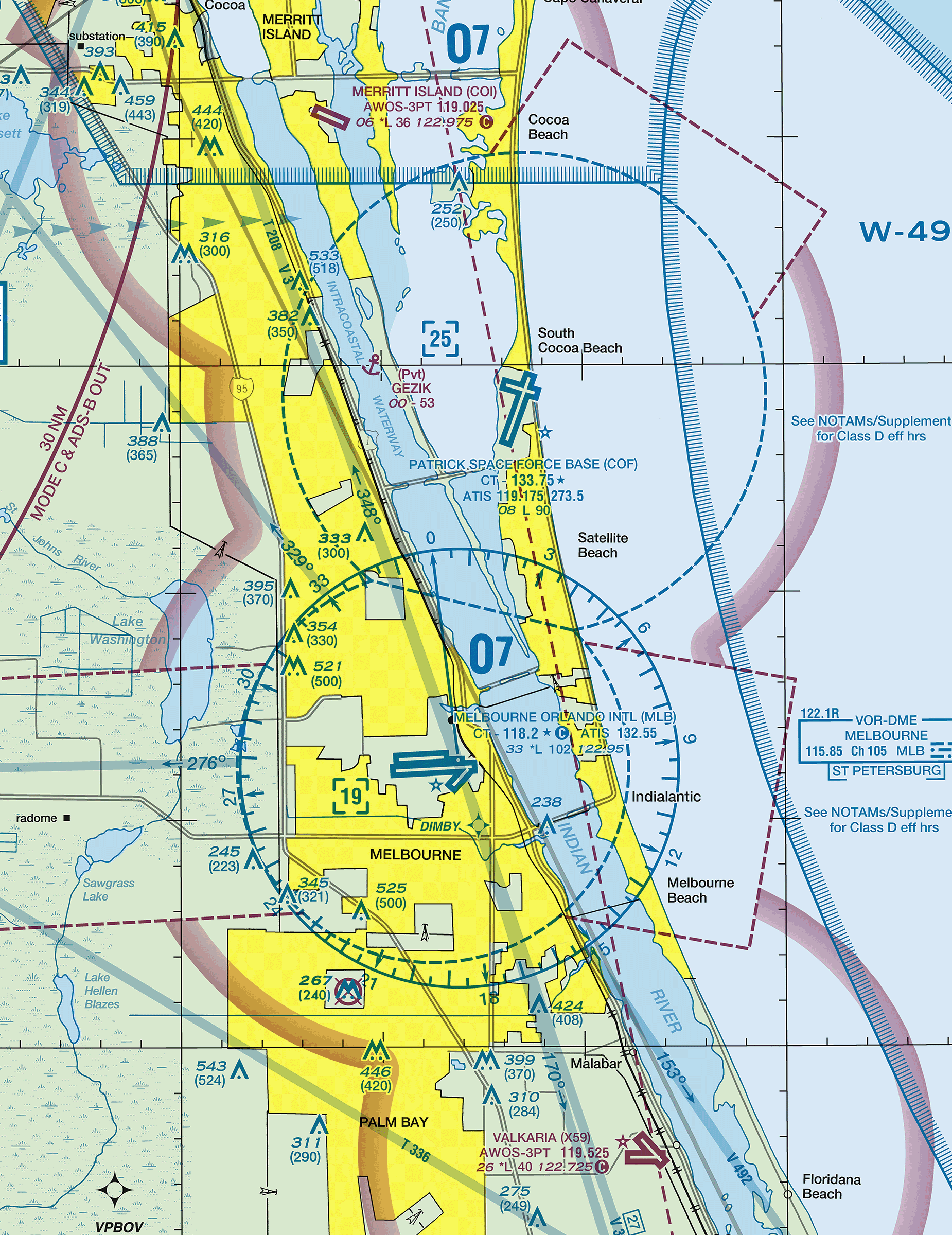
KMLB shoreline transition chart

The lesson moves like a real radio exchange.

The public preview mirrors the course rhythm without dropping you into a lecture. Every step asks you to do the next piece of the call.

Chart context
Start with the airport, airspace, and frequency details that matter before the first call.
Build the call
Assemble the transmission in the same order a controller expects to hear it.
Read back
Practice runway, report-point, frequency, clearance, and hold-short readbacks.
Feedback
See which required radio items landed and which parts need another repetition.

Built for the repetition pilots actually need.

Visual context before the mic

Use chart-backed practice when the lesson depends on airport layout, shoreline routing, or airspace context.

Active recall, not passive watching

Pick the frequency, build the call, and read back instructions instead of memorizing a script.

Progress that points to the next rep

Completion and best scores help you spot which course needs another pass.

Choose your next course path

Start with VFR tower work, then move into IFR, emergency, weather, and enroute requests.

VFR Comms

Towered, untowered, pattern, and flight following calls.

What ATC Radio Sounds Like
Radio Basics: Callsigns
Daytona Beach ATIS Basics

IFR Comms

Clearances, readbacks, departure, approach, and missed approach calls.

IFR Clearance Copy
IFR Clearance Readback
IFR Departure

Emergency Calls

MAYDAY, PAN-PAN, lost comms, fuel, medical, and landing calls.

MAYDAY: Engine Failure
PAN-PAN: Rough Engine
Radio Failure

Weather & Enroute Requests

Deviations, vectors, reroutes, PIREPs, and altitude requests.

Weather Deviation
Vectors Around Weather
Altitude Request for Turbulence

Pilots and instructors are using it to rehearse.

Student pilot
I’m a student pilot and radio calls were the part of training that made me tense before every flight. Practicing the call, hearing the expected response, and then doing the readback helped me feel less surprised in the airplane.

Jake Reynolds

Student pilot, Florida

Private pilot
Most radio courses teach the words, but this app makes you decide what to say based on where you are and what ATC just gave you. That felt much closer to actual flying.

Maria Santos

Private pilot

Pre-solo
The chart-based scenarios are what sold me. It’s not just memorizing phraseology. I’m looking at the airport, thinking through the next move, and then making the call.

Ethan Brooks

Pre-solo student

Returning pilot
As a rusty pilot getting current again, I needed repetition without feeling like I was wasting my instructor’s time. Ten minutes in this app before a lesson is a good warmup.

David Mercer

Returning private pilot

Student pilot
I like that it shows the common traps. Forgetting the ATIS, saying the wrong runway, or missing a hold-short instruction are exactly the small mistakes that make me stumble on the radio.

Hannah Klein

Student pilot

VFR pilot
This feels like chair flying with a purpose. I can run through a departure, arrival, or transition and actually practice the call flow instead of just reading examples in a book.

Chris Wallace

VFR pilot

Instrument
The scoring is useful because it focuses on the important parts of the transmission. It helped me stop chasing perfect wording and start making clear, complete calls.

Priya Nair

Instrument student

CFI
I would use this with my students between lessons. It gives them a way to practice radio structure, readbacks, and situational awareness before they’re under pressure in the airplane.

Mark Delaney

CFI

New pilot
The captions and scripted audio make it easier to train my ear. I can replay the same exchange until the rhythm of the call and response starts to feel normal.

Olivia Hart

New pilot

Sport pilot
I’ve tried listening to live ATC, but it can be hard to know what I’m supposed to learn from it. This app gives me a scenario, a goal, and feedback, which makes practice much more focused.

Ben Carter

Sport pilot trainee

Start with one real call.

Begin one lesson free, then choose the VFR, IFR, or Full Access package that fits your training.